Europe’s small states are at the forefront of the crypto revolution, leveraging agile economies and innovative regulatory frameworks that surpass their larger counterparts. With the crypto economy rapidly evolving, understanding the interplay between regulation and adoption is crucial for investors and policymakers.
The Role of Small States in the Crypto Economy
Small states in Europe, such as Lithuania and Estonia, have emerged as significant players in the crypto economy. These nations benefit from agility in decision-making and regulatory processes that larger countries often lack. For instance, smaller jurisdictions can implement changes swiftly, allowing them to adapt to the dynamic landscape of cryptocurrencies and blockchain technology.
Key factors driving the success of these smaller nations include:
– Flexible Regulatory Frameworks: Smaller states can innovate with regulations that support crypto projects, encouraging investment and easing compliance risks.
– Favorable Tax Regimes: Attractive tax policies can drive businesses and startups to relocate to these regions, further enhancing their crypto ecosystems.
– Strong Digital Infrastructures: Countries like Estonia boast advanced digital infrastructures that facilitate the development and use of cryptocurrency solutions.
By capitalizing on these advantages, smaller states have positioned themselves ahead of larger economies like Germany and France, making them vital hubs in the crypto economy according to recent insights.
Regulatory Frameworks Empowering Crypto Adoption
The Markets in Crypto-Assets (MiCA) regulations play a crucial role in fostering a supportive ecosystem for crypto businesses across Europe. By providing clear guidelines, MiCA aims to standardize regulations that can enhance investor protection and market stability. Countries that have adopted proactive regulatory measures significantly benefit from investor trust and consumer interest.
Clear regulations, such as those under MiCA, are pivotal as they not only protect consumers but also allow businesses to operate within a structured environment. This contrasts sharply with jurisdictions that maintain ambiguous or stringent regulations. An analysis shows that countries like Lithuania have thrived by aligning their crypto frameworks with the MiCA regulations, leading to stronger adoption rates {source}.
Success Stories from Lithuania and Estonia
Lithuania and Estonia showcase impressive achievements in crypto adoption, serving as blueprints for other nations. For instance, Lithuania ranks third globally in crypto adoption, only behind Singapore and the US, as detailed in the Bybit report. This success stems from their integration of digital solutions into government services, creating an environment where cryptocurrencies can flourish.
Estonia’s e-Residency program is another remarkable initiative that allows entrepreneurs from around the world to establish and manage businesses digitally. This has attracted a wave of innovation in the crypto sector, amplifying its significance on the global stage. Notably, their proactive digital policies and initiatives contribute to a robust market for blockchain startups and users alike.
Financial Integration and Market Opportunities
The financial landscapes of small European states are uniquely suited for seamless integration with the crypto economy. Countries like Estonia employ innovative fintech solutions that make it easier for citizens to adopt cryptocurrency, thus encouraging a trend toward digital finance. For instance, digital banking platforms integrate cryptocurrencies, enhancing ease of access and transactional fluidity.
Proactive government initiatives further promote these market opportunities. As small states enhance their digital infrastructures and investment incentives, they create attractive environments for crypto investments and innovations. This model showcases how efficient regulatory practices and technological adoption can yield significant economic benefits to small economies.
Comparison of Crypto Adoption: Small vs. Large Economies
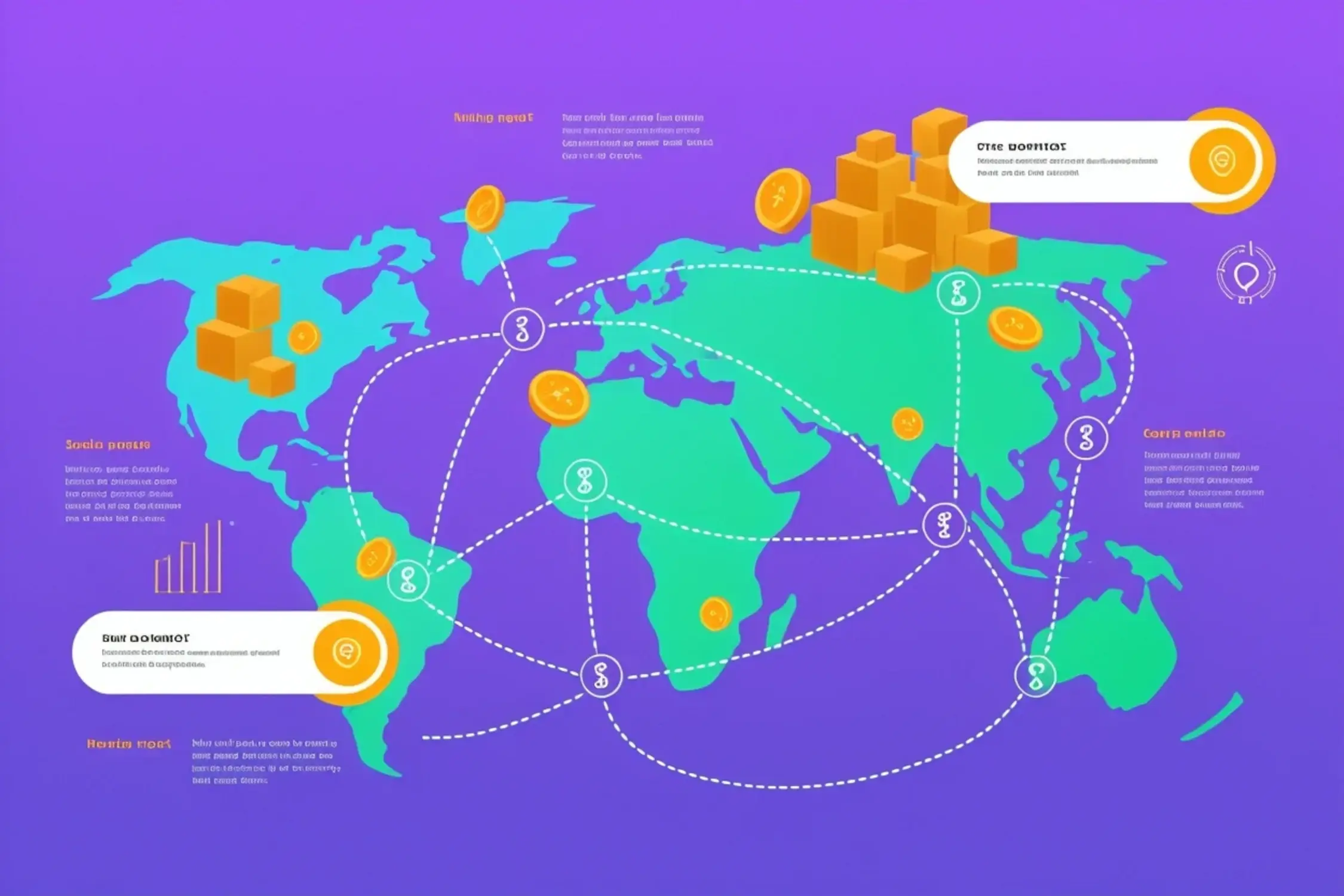
When contrasting crypto adoption rates between smaller and larger economies, a clear narrative emerges. Smaller states often exhibit higher adoption rates due to fewer bureaucratic hurdles and more progressive regulatory frameworks. According to findings in the Bybit report, nations like Lithuania outperform their larger counterparts by fostering environments that encourage crypto investments through clarity and adaptability.
These advantages manifest through various metrics, such as:
– Regulatory Efficiency: Smaller states can pivot quickly in response to market changes.
– Innovation-Friendly Policies: Streamlined processes for startup funding attract international projects.
– Higher Engagement Levels: Communities in smaller states are often more engaged in cryptocurrency discussions and practices.
In contrast, larger nations face challenges that slow down adoption due to regulatory complexities and existing financial systems that are less inclined to innovate.
The Future of Crypto in Europe’s Small States
Looking ahead, the future of crypto in Europe’s small states appears promising, though not without challenges. Ongoing global trends, like increased regulatory scrutiny and technological advancements, may shape the crypto landscape differently in smaller jurisdictions. Moreover, as larger economies start to streamline their regulations, small states must continue to innovate to maintain their competitive advantages.
Potential challenges may include increased competition and the need for continuous adaptation to remain appealing to investors. However, the unique positioning of small states allows them to capitalize on future opportunities, potentially expanding as leaders in this financial frontier.
Steps for Investors to Engage with the Crypto Economy
For investors looking to navigate the evolving crypto landscape in Europe’s small states, several actionable steps are recommended:
1. Research Local Regulations: Understand the specific regulatory frameworks in place that govern cryptocurrencies.
2. Engage with Local Communities: Local crypto communities can provide insights and networking opportunities that are crucial for newcomers.
3. Utilize Available Resources: Online tools, forums, and governmental resources can aid in staying informed about market trends and investment opportunities.
By staying informed and connected, investors can better navigate the nascent crypto economy within these small but dynamic states, making the most of the associated opportunities.
About The Author